
Encyclopaedia Chapter will Aid UN Goal on Improving Ocean Sustainability
The University of Exeter has led a collaboration to define the term “Oceans and Human Health” for a new Encyclopaedia of the UN Sustainable Development Goals.

Research and Innovation blog
Tag
The University of Exeter has led a collaboration to define the term “Oceans and Human Health” for a new Encyclopaedia of the UN Sustainable Development Goals.

New evidence finds that a group of chemicals found in a wide range of household products can increase the risk of asthma.

The European Centre for Environment and Human Health (ECEHH) – in partnership with Cornwall Council and a wide range of local stakeholders – is developing a tool to help local decision-makers adapt to climate change, by measuring the impact of climate interventions on population health.

The new initiative aims to help older people living with dementia become more active, independent and experience a better quality of life, by improving their access to the natural environment.

A unique World Health Organization Collaborating Centre on Culture and Health (WHO Centre) at the University of Exeter has transformed health policy and practice in Europe.

The research team of Identity, Inequality and the Media in Brexit-Covid19 Britain reflect on the impact Brexit and the Covid-19 pandemic are having on inequalities in Britain.

Might more kind and compassionate communities be part of the legacy of Covid-19?

Dr Aimee Murray, Research Fellow at the University of Exeter and GW4 Crucible 2020 Alumni explores how the COVID-19 crisis could impact AMR in clinical and community settings, and explains why GW4 is well placed to research and help combat these significant global challenges.

Led by the University of Exeter, the Smartline project researches the relationship between technology and the way people live in their homes and communities in Cornwall.

As developing countries gear up to tackle COVID-19, here are five ideas for simple collective intelligence projects that might help them.

For over a decade, the University of Exeter Medical School has worked collaboratively with the NHS, delivering a large number of research projects to improve services, treatments and patient quality of life.

A recent study looked at ways of supporting junior doctors to improve their prescribing capabilities.

An innovative grass-roots project is bringing together communities to solve traffic-related issues in Exeter.

NIHR PenCLAHRC at the University of Exeter Medical School have teamed up with NHS Trusts to roll out of training that uses computer modelling to help make difficult decisions.

Coastline Housing are a partner in the Smartline project, which is helping to better understand people's wellbeing in Cornwall.
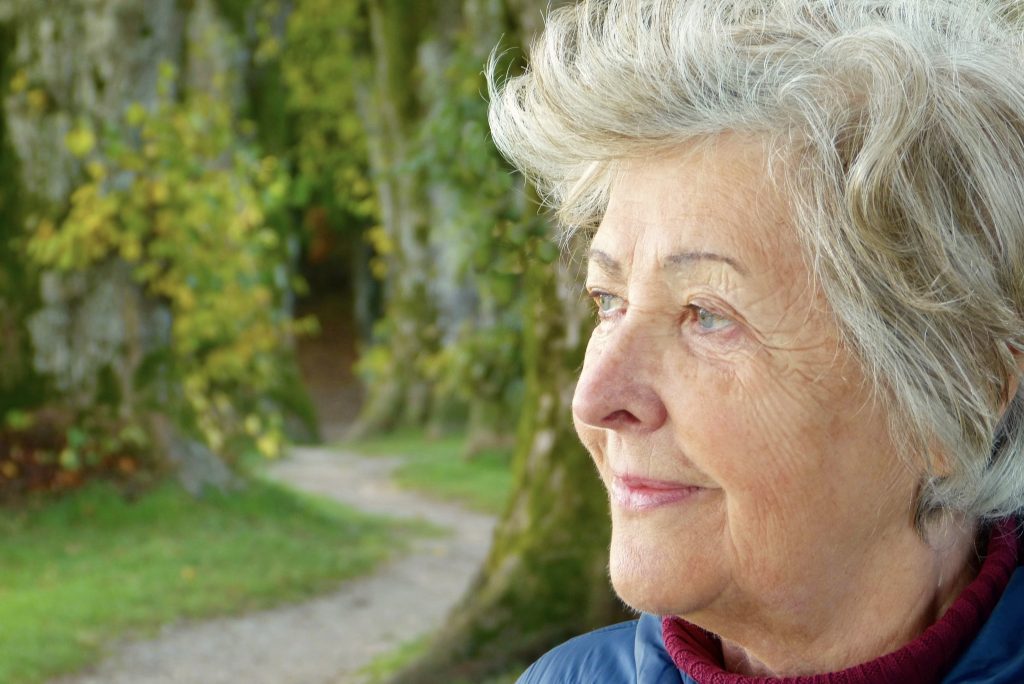
The partying and excesses of the festive season are over and for many it's back to work. It is no wonder that January can feel to some like the gloomiest month of the year.

Researchers at the European Centre for Environment and Human Health (ECEHH) are interested in the complex connections between the environment and human health Professor Lora Fleming is Director of the European Centre for Environment and Human Health, which is part of the University of Exeter...

Every year thousands of young people with autism start out on university life and software created by Exeter SETsquared member Brain in Hand is helping to support them.
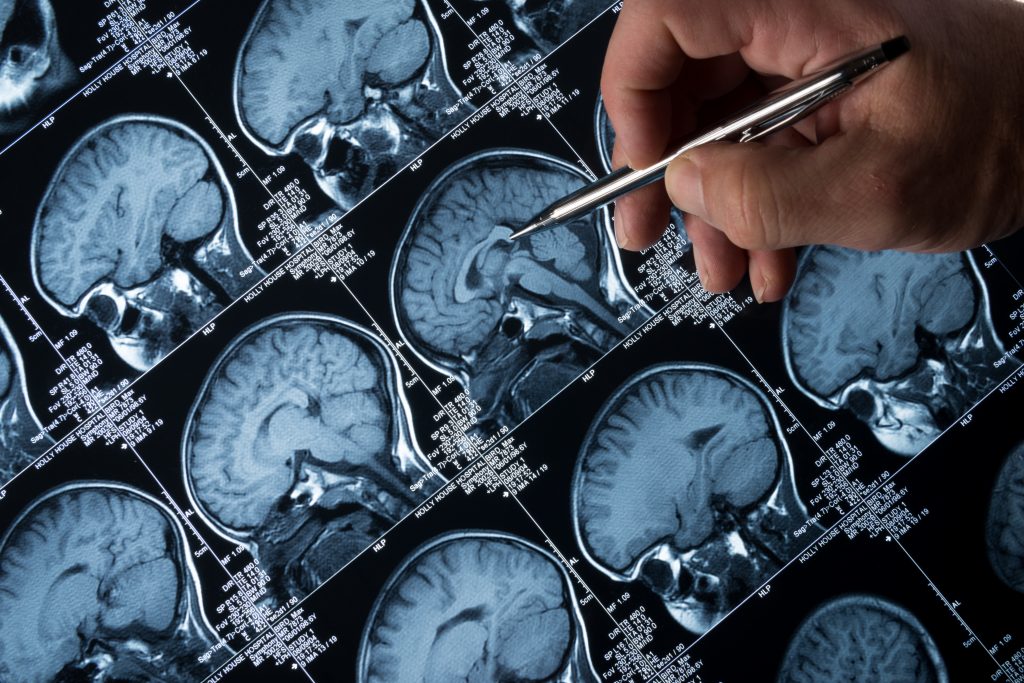
World-leading dementia expert, Professor Clive Ballard, is joining University of Exeter. He will be starting his role of Pro-Vice-Chancellor and Executive Dean of University of Exeter Medical School in November 2016.

Vital research into how bacteria become resistant to antibiotics is being conducted by Dr William Gaze, Senior Lecturer at the European Centre for Environment and Human Health.

Unvieristy of Exeter research that has shown the benefits of new methods to influence behaviour change has informed public policy and debate and has led to the development of an app, Trainaway, that which highlights the availability of low-carbon travel options to users.
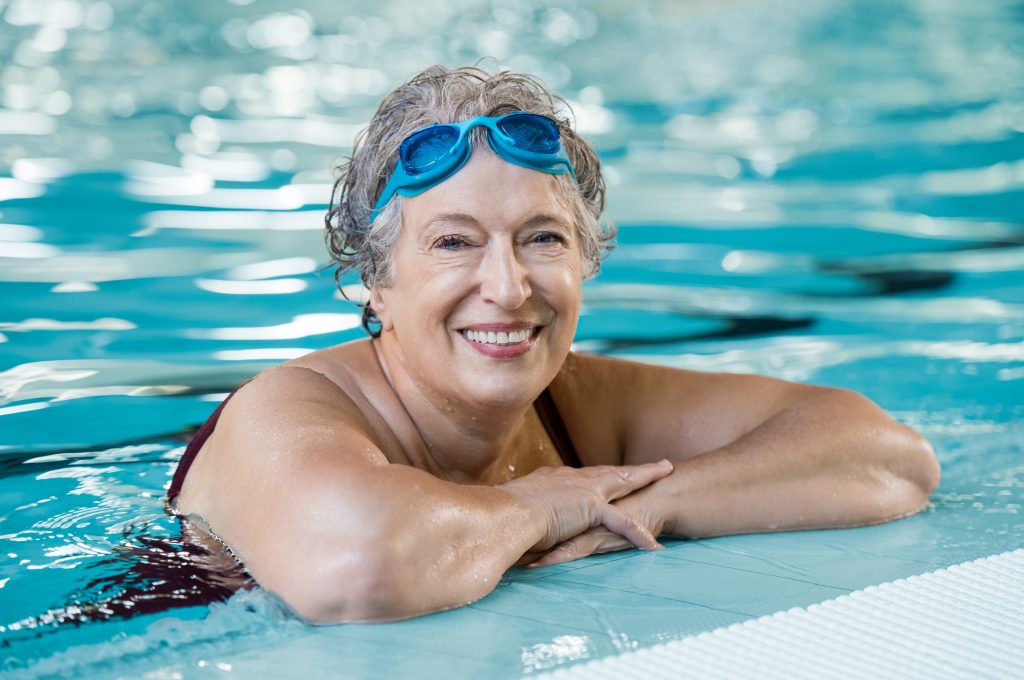
Research from the Sport and Health Sciences department, led by Professor Adrian Taylor, has identified gaps in the evidence-base for the effects of physical activity on mental health and nicotine addiction.

Professor Christabel Owens is working with suicide prevention charities and public agencies to improve community safety, and public awareness and understanding of suicide.

Research into Applied Theatre has focused on the use of theatre as a means of raising public and professional awareness of the cultural contexts and experience of illness.

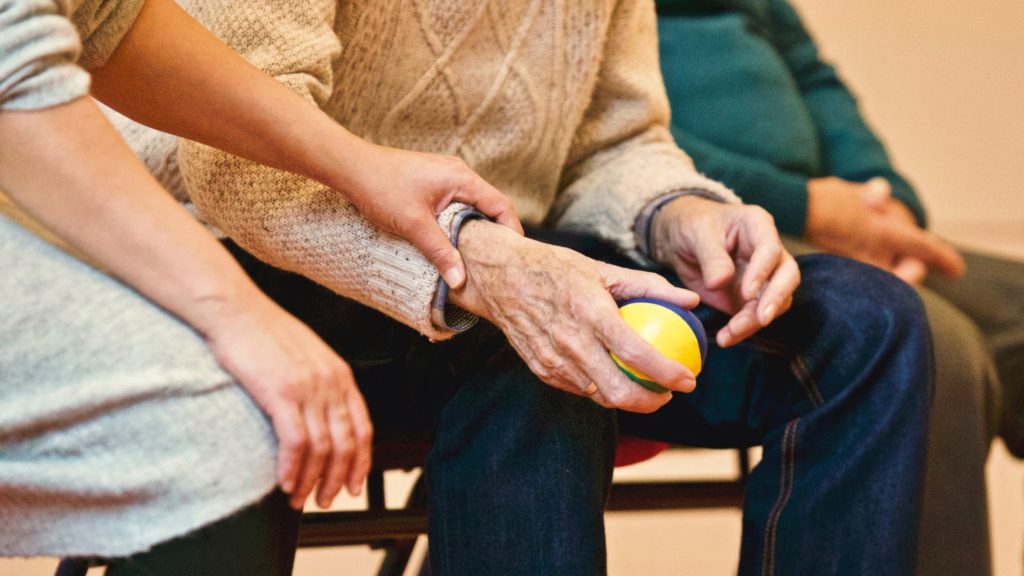
Prof Charles Abraham was recently named one of the top 100 practicing scientists in the UK by the Science Council.
Choose which optional services may run. Necessary cookies used to make the website work are not affected.
Allows analytics tools to measure how the website is used.
Allows content from third-party services such as YouTube to load.