
Minimising air travel disruptions during volcanic eruptions
New measurement systems for volcanic ash developed by Professor Jim Haywood prevent air space closures in the event of a volcano.

Research and Innovation blog
Category
New measurement systems for volcanic ash developed by Professor Jim Haywood prevent air space closures in the event of a volcano.

Urban flood modelling is becoming more important as the population is increasingly urbanised. Flood modelling requires data on rainfall, land cover (whether the ground has roads, fields, buildings etc.), and soil type.

Research aimed at discovering how chemical pollutants are distributed through the environment and are affecting the world is being carried out by scientists working with the international organisation Greenpeace, based within the University of Exeter.

Dr Craig Knight is using video to reduce anxiety levels in dementia patients.

More than 7,000 fresh socks are given to in excess of 25 homeless charities each year in the UK after the University of Exeter’s student start-up support scheme helped entrepreneur Ed Vickers get his 'more than profit' social enterprise off the ground.

Professor Anne Barlow's research findings on marriage and cohabitation laws have influenced policy in the UK and Germany.

Businesses are leading a transformation towards a system that moves away from the current ‘take-make-waste’ method to one where materials are reused instead.

Unvieristy of Exeter research that has shown the benefits of new methods to influence behaviour change has informed public policy and debate and has led to the development of an app, Trainaway, that which highlights the availability of low-carbon travel options to users.

A rapid, reliable and low cost Malaria Diagnosis Sensor suitable for use in remote areas has been developed by University of Exeter researchers, which has the possibility to not only significantly reduce unnecessary treatments but potentially save hundreds of thousands of lives.
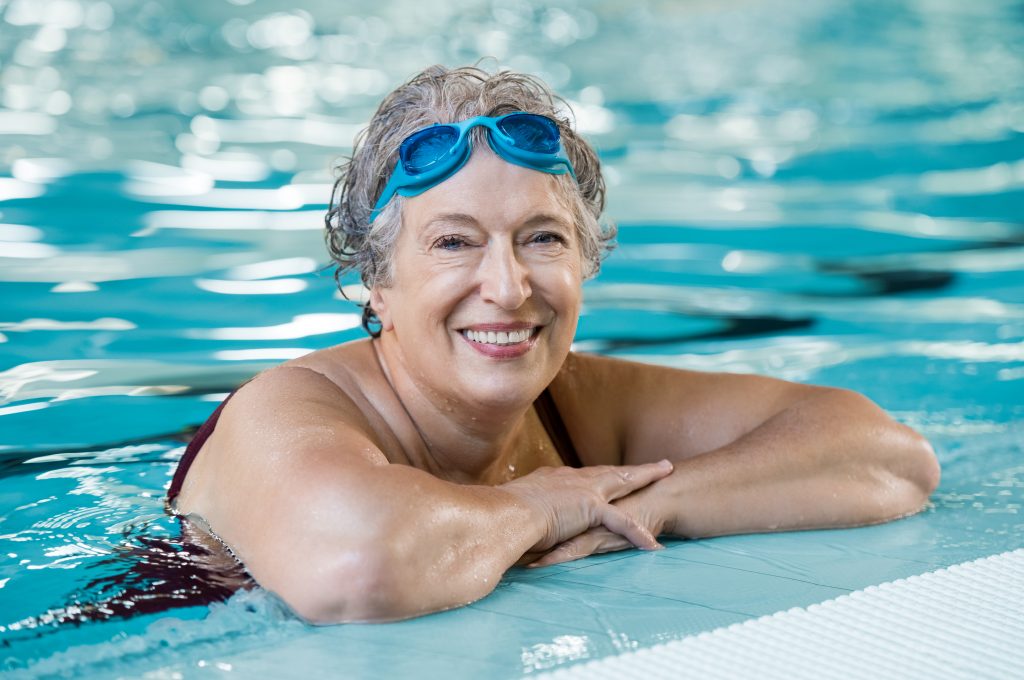
Research from the Sport and Health Sciences department, led by Professor Adrian Taylor, has identified gaps in the evidence-base for the effects of physical activity on mental health and nicotine addiction.

Statistical modelling research in the department of Mathematics and Computer Science has improved the understanding and pricing of insurance risk due to European windstorms and tropical cyclones.

Professor Christabel Owens is working with suicide prevention charities and public agencies to improve community safety, and public awareness and understanding of suicide.

The BBC Prison Study, one of the largest field studies in social psychology of the last 30 years, was carried out to re-examine conclusions from one of the best-known social psychological experiments of all time (the Stanford Prison Experiment, or SPE) and the understanding of...

Universities are working with businesses to shape research questions that can benefit both academia and industry. This collaborative approach, called Knowledge Exchange (KE), is one that is being championed by both the University of Exeter and the Research Councils.

National sport stadia such as Premiership Football grounds and the London 2012 Velodrome plus chimneys in power stations, office buildings and bridges are just some of the structures that have been made better performing and more economically viable thanks to work with the University of...

Lipstick, credit-card chips, carbon fibre and catalytic converters are used every day without a second thought about the complex science behind their creation.

Cardboard sounds like an unlikely material for building surfboards but Dr Arnaud Marmier is attempting to convince you that this humble and very widespread material is capable of extraordinary things.

Fundamental research questions in areas including marine renewables, molecular biology and environment and human health are being addressed by a partnership between the University of Exeter and Plymouth Marine Laboratory (PML) - a marine environment research provider.
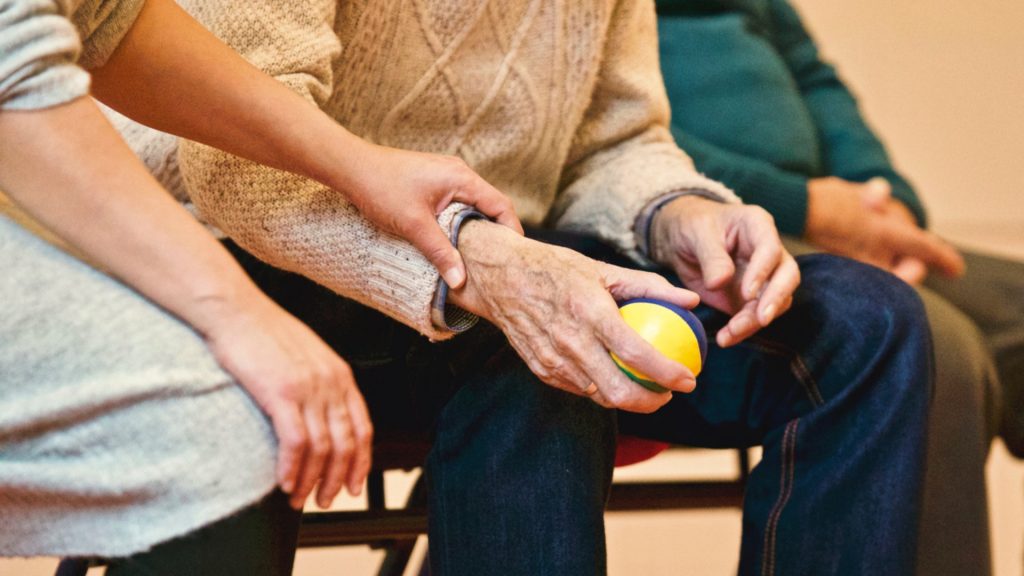
Prof Charles Abraham was recently named one of the top 100 practicing scientists in the UK by the Science Council.
Choose which optional services may run. Necessary cookies used to make the website work are not affected.
Allows analytics tools to measure how the website is used.
Allows content from third-party services such as YouTube to load.