
Breaking Boundaries: Using microscopy to detect microplastics in sea life
A University of Exeter research group has helped to eliminate tonnes of plastic waste entering the sea, improving the health of organisms and the environment.

Research and Innovation blog
Researcher
A University of Exeter research group has helped to eliminate tonnes of plastic waste entering the sea, improving the health of organisms and the environment.

When it comes to plastic waste in the ocean, how much is too much? Professor Tamara Galloway has been researching the effects of microplastics on marine wildlife and how ingestion of these objects by some of the smallest creatures in the ocean can have implications...

Fundamental research questions in areas including marine renewables, molecular biology and environment and human health are being addressed by a partnership between the University of Exeter and Plymouth Marine Laboratory (PML) - a marine environment research provider.
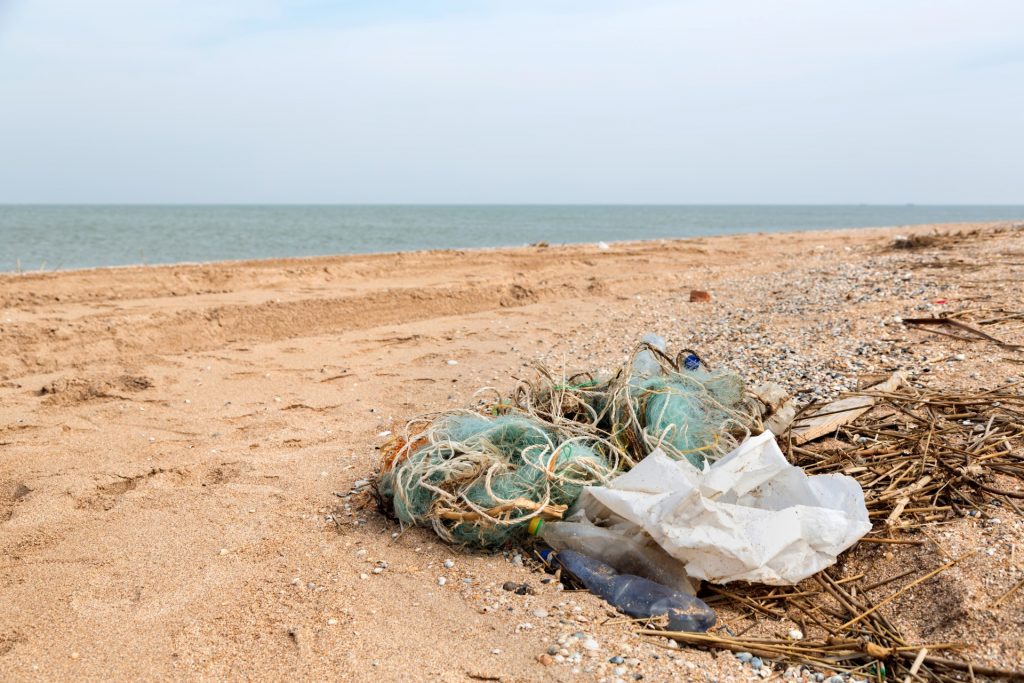
Microplastic debris floating in the world’s oceans could be having a massive impact on marine life. Tiny bits of plastic rubbish are having an impact on lugworms, and other marine animals, which are an important source of food for other animals.
Choose which optional services may run. Necessary cookies used to make the website work are not affected.
Allows analytics tools to measure how the website is used.
Allows content from third-party services such as YouTube to load.